Context Engineering Isn’t Enough — A Loop Engineering Experiment With No LLM Inside the Loop
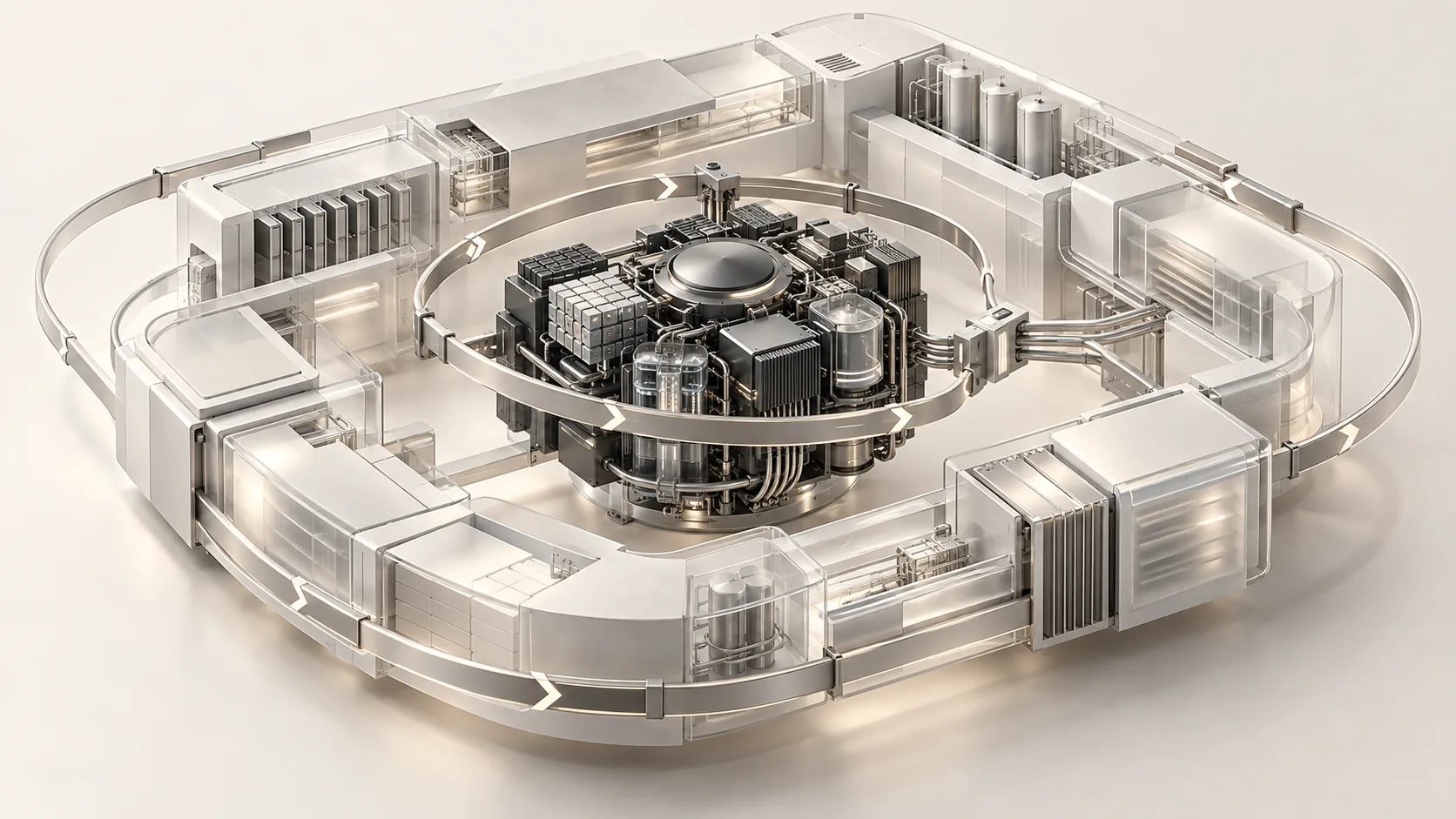
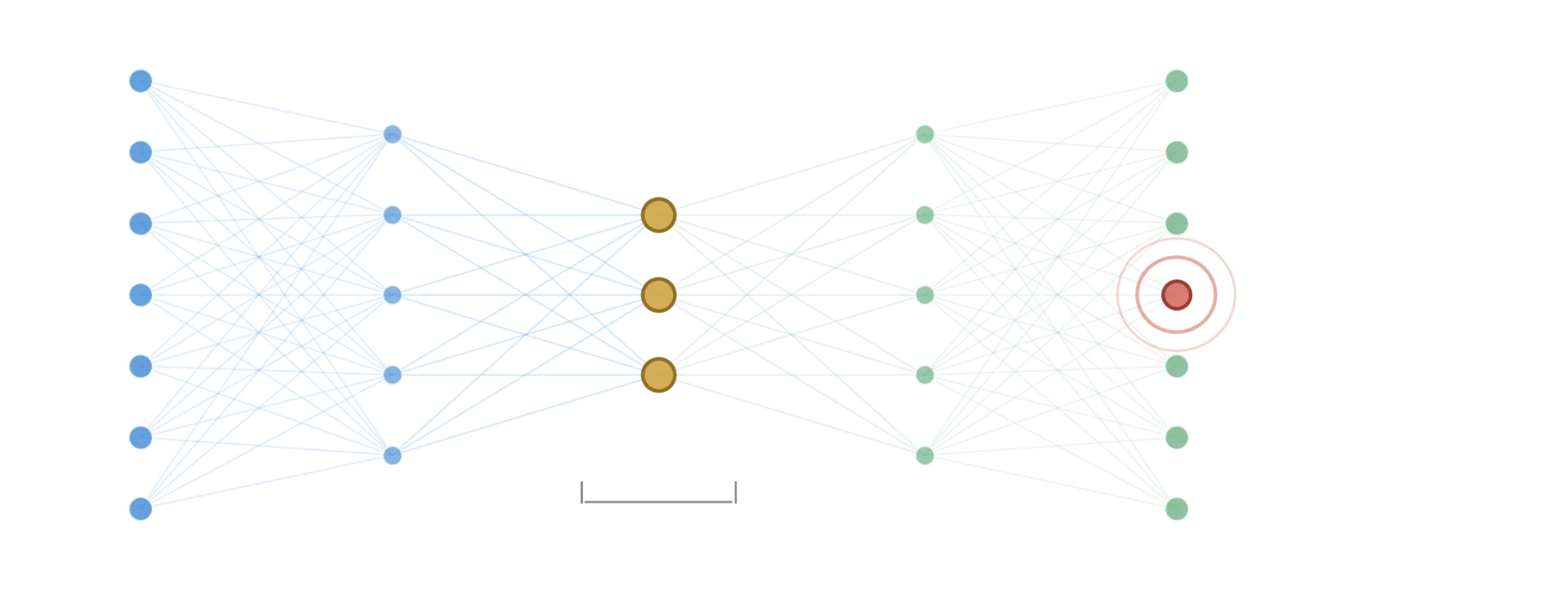
Everyone is talking about loop engineering, but most discussions assume an LLM sits at the center of the loop. I wanted to isolate the architecture itself. So I built a deterministic, zero-dependency Python benchmark that replaces the model with simple rules, allowing me to measure one question dire

Everyone is talking about loop engineering, but most discussions assume an LLM sits at the center of the loop. I wanted to isolate the architecture itself. So I built a deterministic, zero-dependency Python benchmark that replaces the model with simple rules, allowing me to measure one question directly: can a goal-directed controller isolate failures better than a traditional linear pipeline? After validating the benchmark across 300 random seeds—and fixing a subtle bug that initially invalidated my own results—I found that the controller consistently completed independent branches that a linear executor never reached. This article walks through the architecture, the benchmark design, the debugging process, and the evidence behind a narrow but practical claim: failure isolation is a measurable property of control flow, independent of LLM reasoning. The post Context Engineering Isn’t Enough — A Loop Engineering Experiment With No LLM Inside the Loop appeared first on Towards Data Science.
Key Takeaways
- •Everyone is talking about loop engineering, but most discussions assume an LLM sits at the center of the loop
- •This story was reported by Towards Data Science, covering developments in the newsletter space.
- •AI advancements continue to reshape industries — read the full article on Towards Data Science for complete coverage.
📖 Continue reading the full article:
Read Full Article on Towards Data Science →